Surviving a heart attack is a turning point. The immediate danger has passed, the artery has usually been opened, and most patients go home within days. But for some, the damage left behind sets the stage for a second, slower problem: heart failure. The good news is that much of that risk can be reduced.
Why Can a Heart Attack Lead to Heart Failure?
During a heart attack, part of the heart muscle is starved of oxygen. Some of that muscle may die and be replaced by scar tissue, which cannot contract. In the weeks and months that follow, the rest of the heart may change shape as it tries to compensate, a process doctors call remodelling. The chamber can enlarge, and the pumping strength can fall. Over time, this can lead to heart failure, in which the heart cannot pump enough blood to meet the body’s needs.
How Common Is It?
Heart failure after a heart attack is less common than it used to be, largely because arteries are now opened faster, and protective medicines are started early. But it remains one of the most important long-term complications, which is why follow-up appointments in the months after discharge focus so closely on heart function.
Who Is Most At Risk?
The risk is higher after a large heart attack, especially one affecting the front wall of the heart, after delayed treatment, and in people whose pumping strength (the ejection fraction) is already reduced when they leave hospital. Diabetes, high blood pressure, kidney disease and previous heart attacks add to the risk.
Speed of Treatment Matters From the Start
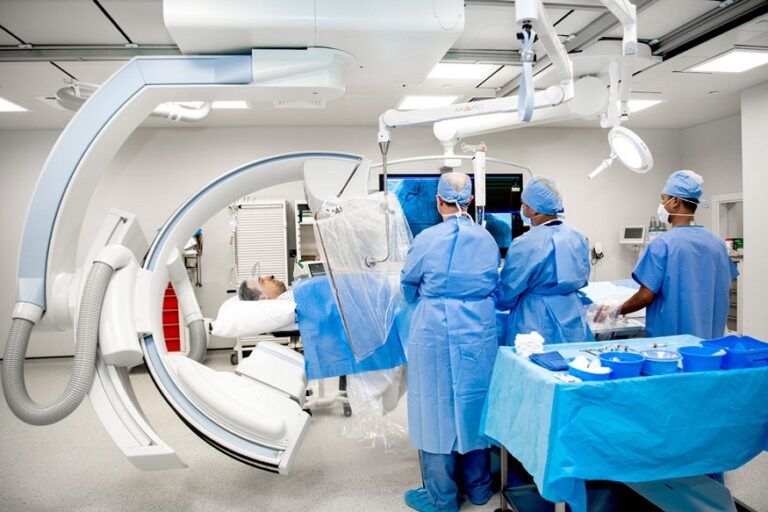
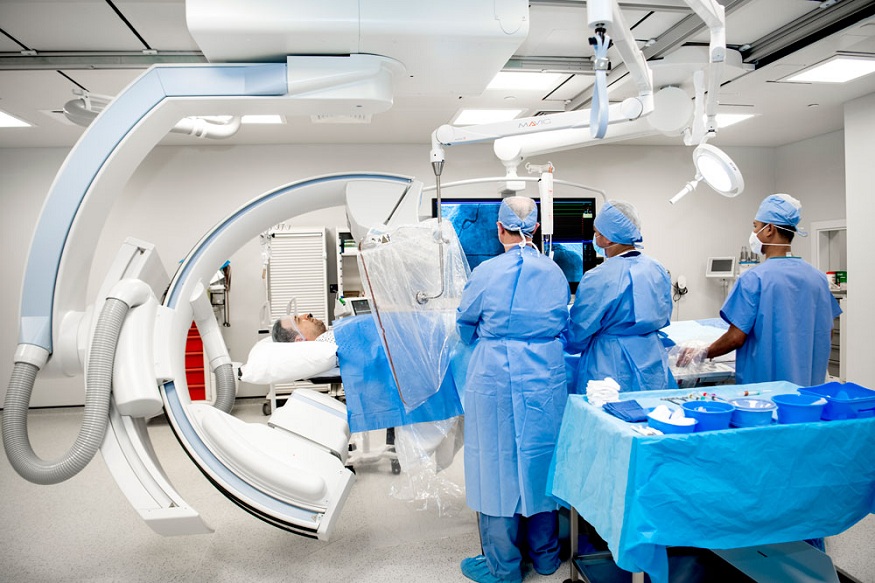
The most effective way to limit damage is to open the blocked artery quickly. Every minute counts, which is why anyone with suspected heart attack symptoms should call 998 rather than waiting or driving themselves. Rapid emergency heart attack treatment in Dubai, usually angioplasty and a stent, saves heart muscle that would otherwise be lost.
Medicines That Protect The Heart
After a heart attack, several medicines help prevent remodelling and protect the remaining muscle. They typically include:
Beta blockers, which slow the heart rate and reduce strain.
ACE inhibitors or related drugs, which relax blood vessels and reduce the workload on the heart.
Mineralocorticoid antagonists, such as eplerenone or spironolactone, for patients with reduced pumping strength.
For some patients, newer drugs such as SGLT2 inhibitors, originally developed for diabetes, also protect the heart.
Antiplatelet medicines and a statin are also standard to prevent another heart attack. Taking these medicines consistently, and not stopping them without advice, is one of the most important things a patient can do.
Cardiac Rehabilitation
Cardiac rehabilitation is a supervised programme of exercise, education and support. It improves fitness, helps people return to normal activity safely and is linked to fewer readmissions. Many eligible patients never attend. It is worth asking for a referral before discharge.
The Follow-up Echo
An echocardiogram a few weeks or months after the heart attack shows whether the heart’s pumping strength has recovered. If it remains low, doctors may adjust medicines or consider a device, such as an implantable cardioverter-defibrillator, to protect against dangerous heart rhythms.
Symptoms To Report Early
Contact your doctor if you notice increasing breathlessness, needing more pillows to sleep, swollen ankles, rapid weight gain over a few days or unusual tiredness. These can be early signs of heart failure, and earlier treatment works better.
Long-term Habits
Stopping smoking, including shisha, controlling blood pressure and diabetes, eating less salt, staying active within agreed limits and keeping a healthy weight all reduce the strain on a recovering heart.
Where Is Heart Attack and Heart Failure Care Available in Dubai?
Aster Hospital Dubai operates five healthcare facilities in Dubai, with more than 300 beds, over 200 doctors and more than 35 specialities, across Aster Hospital Mankhool, Aster Hospital Al Qusais, Aster Hospital Muhaisnah, Aster Hospital Jebel Ali and its Day Surgery Centre in Mankhool. It provides 24/7 emergency heart attack care with cardiac catheterisation lab support, followed by a heart failure service offering heart failure treatment in Dubai, including BNP testing, medicines, device therapy such as CRT and ICDs, and rehabilitation with physiotherapists and dietitians.
A heart attack does not have to lead to heart failure. Prompt treatment, the right medicines and steady follow-up make a real difference.
About the Author