Navigating your menstrual cycle starts with finding the right support, and for millions, the sanitary pad remains the most reliable and accessible choice. Whether you are experiencing your first period or looking to upgrade your current routine, understanding the nuances of menstrual hygiene is the key to lasting comfort.
Modern innovations have transformed the humble pad into a high-tech tool designed for specific body types and activity levels. This ultimate guide explores everything from material science to practical application, ensuring you feel empowered, secure, and completely irritation-free every single month. By the end of this article, you will have a professional’s understanding of how to manage your flow with absolute confidence.
Understanding the Different Types of Sanitary Pads Available
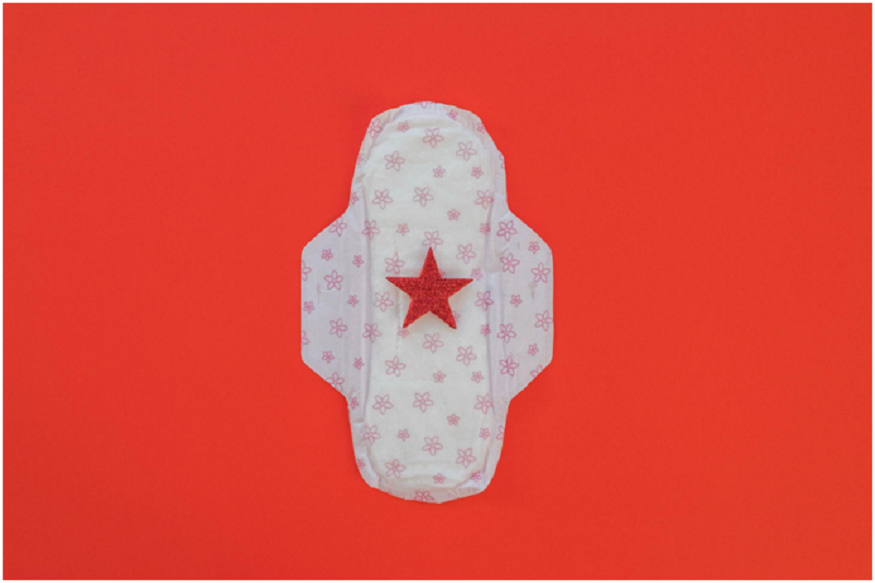
The market is filled with various designs, each tailored to meet the unique needs of different lifestyles and body shapes. Standard pads are categorized primarily by their length and thickness, ranging from ultra-thin liners for spotting to heavy-duty pads for maximum protection. Many users prefer “wings” with extra flaps of material that wrap around the edges of underwear to keep the pad securely in position and prevent side leaks.
Beyond shape, you can find options specifically treated for sensitive skin or scented varieties designed for odor control. Knowing the difference between a “maxi” pad and an “ultra-thin” is the first step in building a period kit that actually works for you.
How to Choose the Right Absorbency for Your Menstrual Cycle
Selecting the correct absorbency is not just about preventing leaks; it is about maintaining skin health and personal comfort. Menstrual flow typically fluctuates during a cycle, starting heavy and tapering off toward the end, which means a “one size fits all” approach rarely works.
For heavy flow days, look for pads labeled Super” or Extra Heavy, which contain more absorbent polymers to lock moisture away from the surface. On lighter days, switching to a regular or “light” absorbency pad prevents the unnecessary dryness and friction that high-absorbency materials can cause. By matching your pad’s
Step-by-Step Guide: How to Wear and Change a Pad for Maximum Comfort
Proper application is the most overlooked factor in period comfort and leak prevention. To begin, always wash your hands thoroughly before handling a clean pad to maintain a sterile environment. Peel the adhesive backing off and center the pad on the crotch of your underwear, ensuring the wider end or the wings are aligned correctly to catch the flow where it naturally falls. If the pad has wings, wrap them tightly around the underside of the fabric to create a secure seal that prevents shifting during movement. Experts recommend changing your sanitary pad every 4 to 6 hours, regardless of how heavy your flow is, to prevent bacterial buildup and odor.
The Science of Materials: What Goes Into a High-Quality Sanitary Pad?
Modern sanitary pads are a feat of engineering, consisting of multiple layers designed to move liquid away from the body instantly. The top sheet is usually made of a perforated plastic film or a soft non-woven cotton-like fabric that stays dry to the touch. Beneath this lies the distribution layer, which spreads the liquid across the pad to prevent pooling in one spot. The core often contains Super Absorbent Polymers (SAP), which can hold many times their weight in liquid by turning it into a stable gel.
Finally, a leak-proof back sheet, typically made of polyethylene, prevents moisture from reaching your clothes while still allowing for some level of breathability. Understanding these layers helps consumers choose between synthetic pads for high-performance dryness or organic cotton pads for a more natural feel.
Essential Hygiene Tips to Prevent Rashes and Irritation
Skin irritation is a common complaint among pad users, but it is almost always preventable with the right hygiene habits. Rashes are often caused by “contact dermatitis,” where moisture and friction trapped against the skin lead to redness and itching. To avoid this, prioritize pads with a soft, breathable top layer and avoid heavily scented products if you have sensitive skin.
Cleaning the labial area with plain water or a pH-balanced unscented wash during each change helps remove residual blood that can harbor bacteria. Additionally, wearing loose-fitting cotton underwear allows for better airflow, which is critical for keeping the pelvic area dry and cool.
Managing Heavy Flows: Features to Look for in Overnight Sanitary Pads
Nighttime presents a unique challenge for period management because gravity shifts as you lie down, often causing leaks toward the back of the underwear. Overnight pads are specifically engineered for this, featuring a significantly longer and wider back section to provide a larger safety zone while sleeping. They also tend to have a higher concentration of absorbent materials to handle the 7 to 8 hours of use typical during a full night’s rest.
When shopping for these, look for 3D leak guards or raised edges that act as barriers against side-spilling. Some brands also offer extra-wide wings or double-wing designs for added stability throughout the night.
Comparing Sanitary Pads with Other Menstrual Products
While sanitary pads are a staple, understanding how they stack up against tampons, menstrual cups, and period underwear can help you customize your routine. Unlike internal options like tampons or cups, pads carry zero risk of Toxic Shock Syndrome (TSS) and do not require invasive insertion, making them the most user-friendly option for beginners.
They provide a visual indicator of your flow levels, which is helpful for monitoring reproductive health and identifying irregularities. However, they may feel more “present” during physical activities like swimming or high-intensity sports compared to internal devices.
Disposal Best Practices: How to Be Environmentally Conscious
Responsible disposal is an essential part of menstrual etiquette and environmental stewardship. You should never flush a sanitary pad down the toilet, as the plastic backing and absorbent core do not break down and will cause severe plumbing blockages and environmental pollution.
The best method is to roll the used pad tightly, wrap it in the wrapper of your next pad or a small piece of recycled paper, and place it in a dedicated waste bin. For those looking to reduce their ecological footprint, there are now biodegradable and compostable pads made from bamboo or organic cotton that break down much faster in landfills.
Conclusion
Choosing the right sanitary pad is a personal journey that balances comfort, health, and lifestyle needs. By understanding the technology behind absorbency and prioritizing consistent hygiene, you can transform your period from a monthly burden into a manageable part of your wellness routine. Remember that your body’s needs may change over time, so staying informed about new materials and designs will ensure you always have the best protection possible.
With the right knowledge and the right products, total comfort is not just a goal it is a guarantee. Embrace the confidence that comes with being prepared, and never let your period hold you back from your daily ambitions.
About the Author